We help households capture rainwater. But why is that important?
Keep reading.
Find out if your property can take part in a rainwater capture project.
Why capture rainwater?
We help households capture rainwater. But why is this important?
Weather is always a go to topic of conversation for us Brits, it’s either too hot, raining non-stop or constantly grey.
(Or somehow a mixture all at once?!)
Despite our mixed feelings, tricky relationship with the weather, and the assumption that it rains non-stop in the UK, we face lots of water related challenges.
Including water resources, rainwater, surface water flooding, sewer spills and water stress.
Rainwater is a precious resource.
Although it might not feel like it when you’re walking to work in drizzly Monday morning.
But ultimately, we need rainwater to survive.
Think about how you use water every day, for drinking, washing, cooking, watering plants and more!
We use an average of 145 litres of water per day per person in the UK which is equivalent too:
- 1.5 bathtubs of water
- A 10-minute shower using a standard shower head (standard showers use 12-15 litres of water every minute!
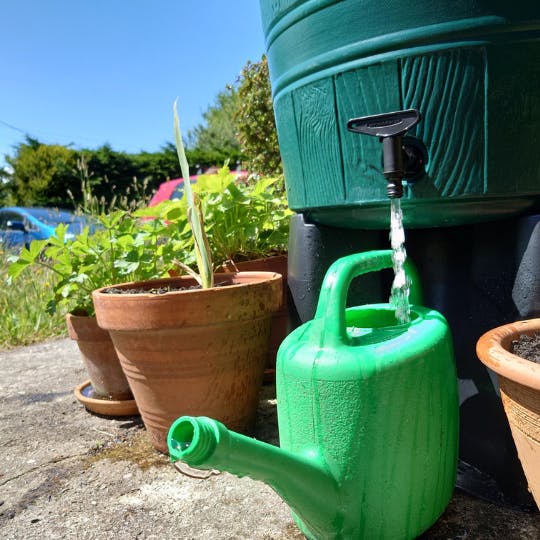
- Around 29 watering cans of water
We need to "manage" rainwater
Rainwater refills our rivers, groundwater and aquifers providing us with water at the turn of a tap.
That’s without mentioning it’s importance in food production, industry and many processes.
Not only do we need to take care of rainwater as a resource, managing rainwater plays a key role in:
- reducing the impact of surface water flooding
- tackling sewer spills
- and ensuring a healthy environment and ecosystem
Let's hear from you
Why do you already capture rainwater? Why don't you?
So what is the problem?
- Surface Water Flooding
- Sewer Spills
- Water Stress & Drought
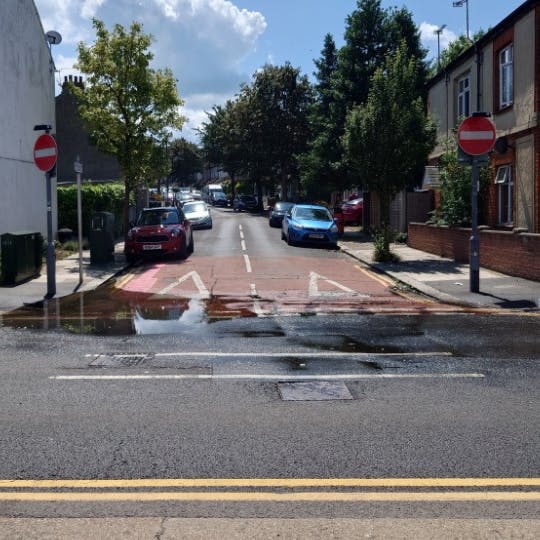
Surface water flooding is disruptive, dangerous and damaging.
When it rains heavily, hard surfaces like roads, rooftops, and patios stop water from soaking into the ground. Instead, all that water runs off quickly, overwhelming drains and causing local flooding. It can leave streets, gardens, and even homes under water. And with climate change bringing more intense rainfall, it's happening more often
Did you know?
We actually need to reduce our daily water consumption to 110 litres per day by 2050.
We are facing water shortages of between 4 billion and 5 billion litres each day.
But why should you care?
These issues will impact us all.
No one entity; individual, government, water company, local authority or business can solve these issues alone.
But the good news is: together we can make a difference.
One person or one household alone cannot make a difference, but through collective action our individual contributions will make a difference.
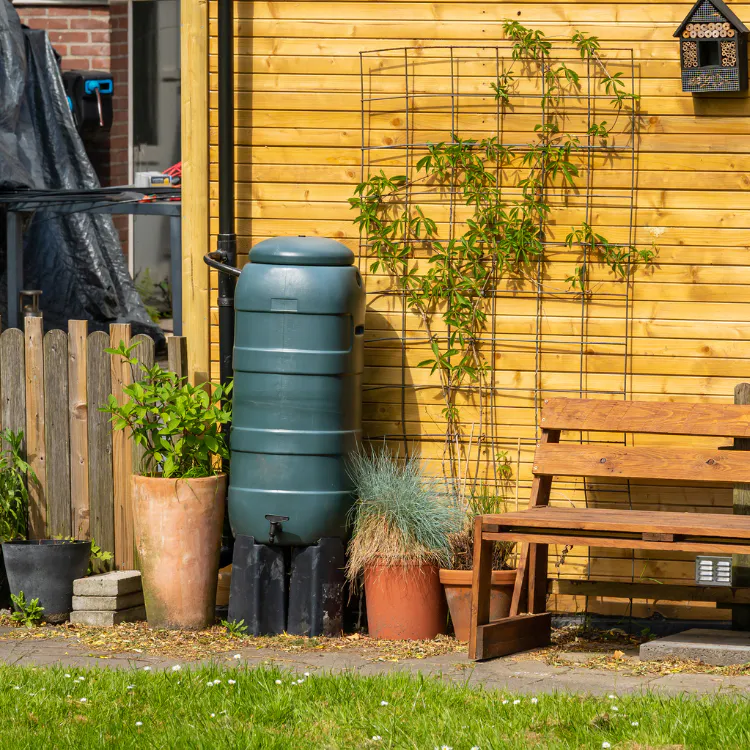
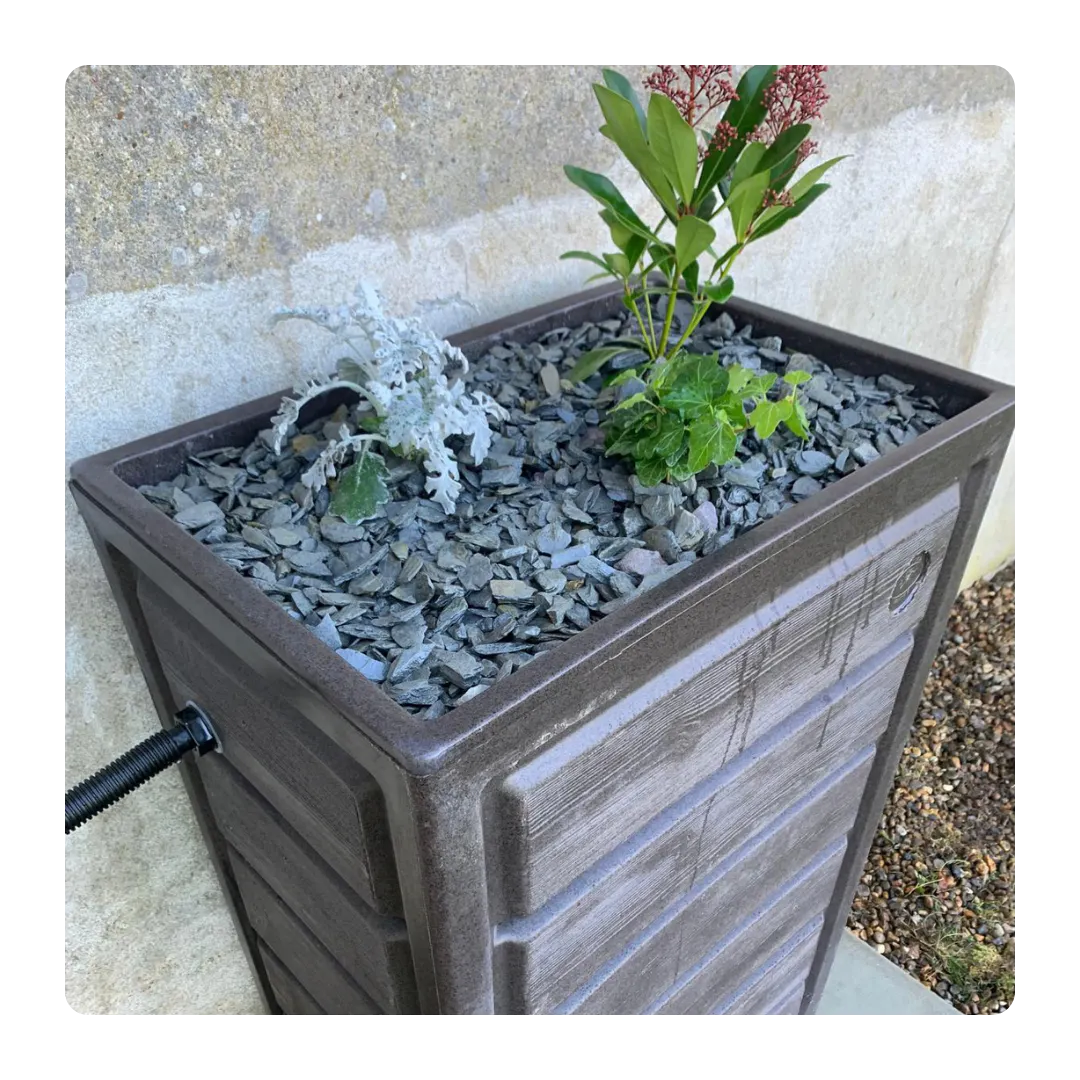
We’ve already helped communities slow the flow of water into drainage systems by working with local authorities, water companies and other organisations to install rainwater capture devices, like water butts and rain planters.
Whilst these seemingly small and simple water butts may seem insignificant alone, imagine the impact of every street capturing the rainwater from their roof top? This helps to:
- Reduce flood risk
- Help tackle sewer spills
- Improve resilience to low periods of rainfall and drought
Did you know?
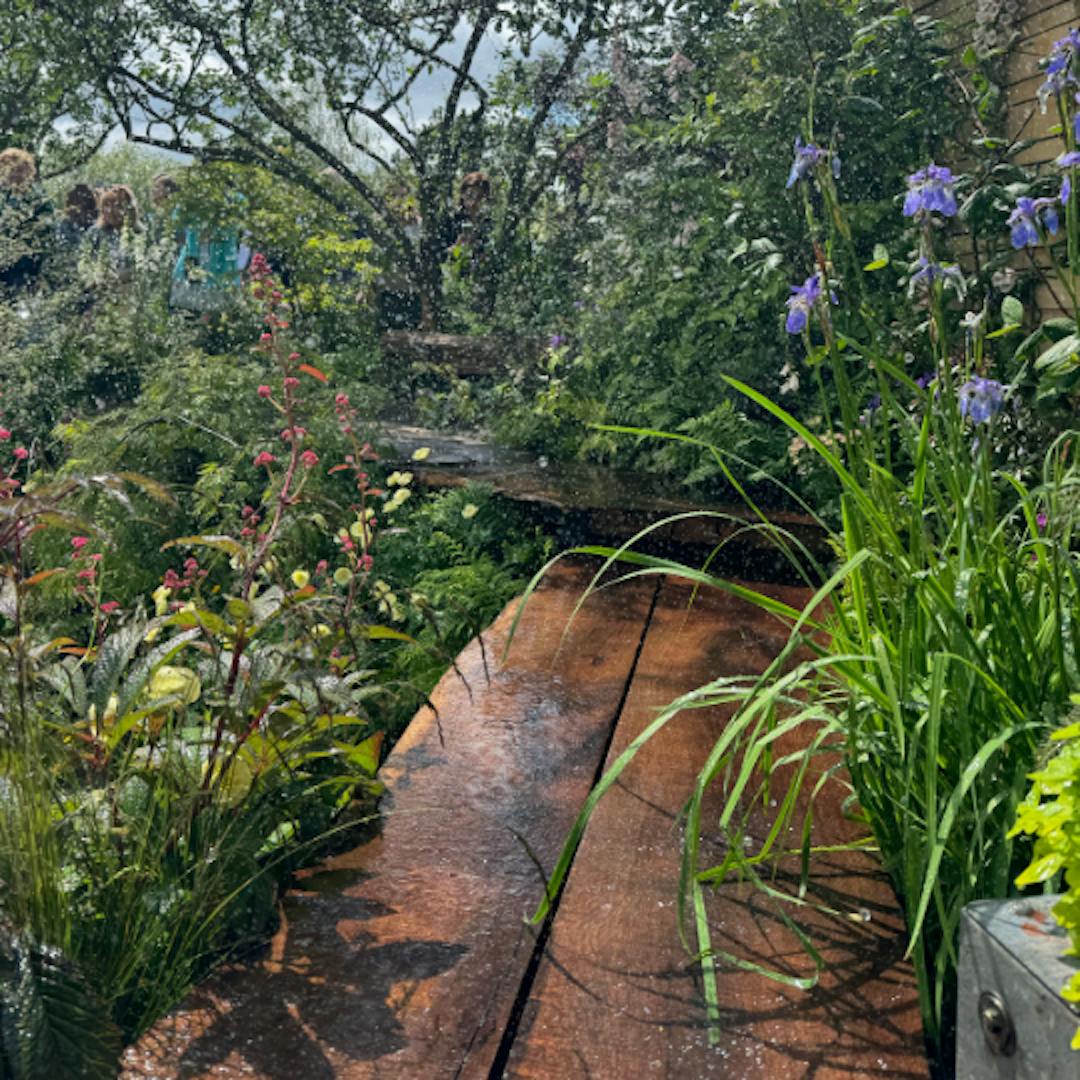
The average rooftop in the UK receives around 90,000 litres of rainwater every year!
Imagine if this was slowed or stopped from entering our drainage systems. And imagine if we were able to reuse the rainwater!
Why is this happening?

Increasing Urban Areas
More towns and cities mean more buildings, roads, and car parks - and less open land for rain to soak into. As cities grow, all that extra hard ground makes managing rainwater way trickier

Increasing Hard Surfaces
Concrete, tarmac, and rooftops don’t let water sink in like soil does. The more hard surfaces we create, the faster rainwater rushes off, piling pressure on drains and waterways.

Increasing Population
More people means more homes, gardens, and water use. It also means our water systems get busier, and there’s more demand on already stretched resources.
Climate Change
Weather patterns are shifting - with heavier storms and longer dry spells. That means flooding happens more often, but droughts are also becoming a bigger worry.

Ageing Infrastructure
A lot of our pipes, drains, and treatment plants were built decades ago - they weren’t designed for today’s challenges. Old infrastructure struggles to cope, leading to leaks, spills, and floods.

Housing Developments
New housing is needed, but building on green spaces reduces places where water can soak away naturally. Without smart planning, new developments can add to flooding and sewer problems.
Did you know?
Did you know, water can travel 50% faster across a hard surface like concrete compared to a more natural surface?